


Warehouse Automation Without Mistakes at the Start
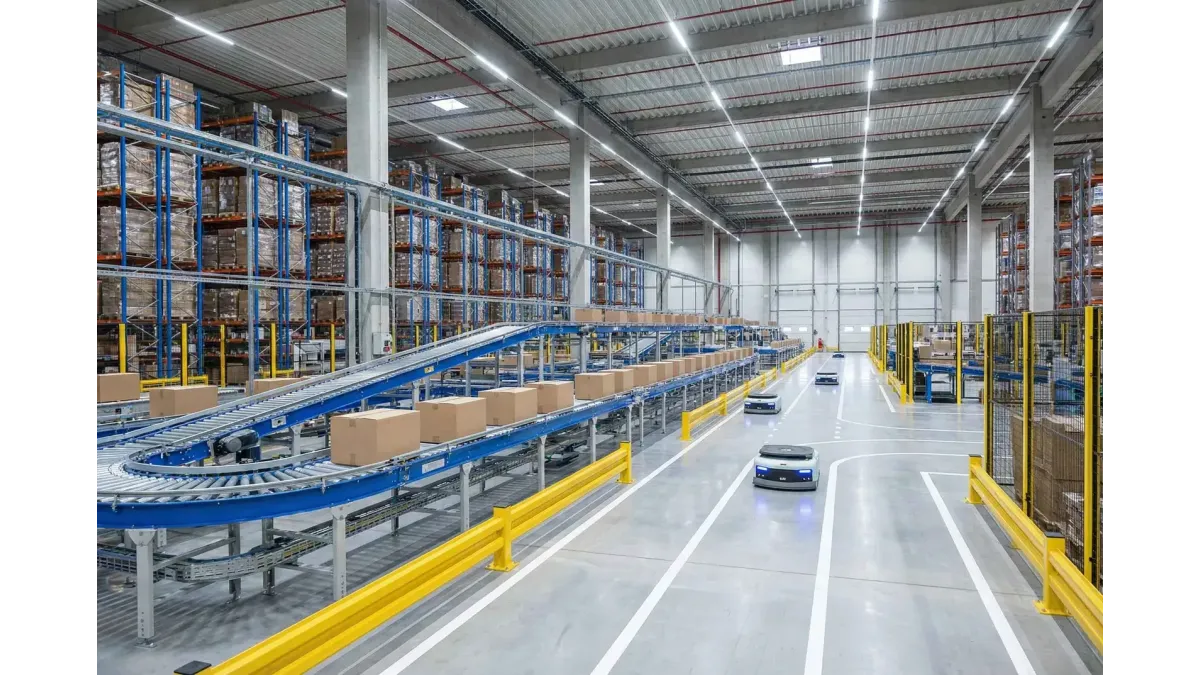
Warehouse automation is a strategic decision that determines how a business will handle product flows for years to come. It does not start with buying equipment but with building a clear logic for how loads move. Without that foundation, even modern machinery cannot keep a warehouse running reliably. That is why proper warehouse automation is always based on process analysis rather than on a collection of technical solutions.
The warehouse stops being merely a storage space. It becomes a managed system in which every action has a defined purpose and a place in the overall flow.
Why automation often fails
Mistakes at the start usually happen because mechanisation is introduced into a structure that is already inefficient. If aisles, zones and routes are not optimised, the equipment amplifies the problems instead of eliminating them.
The most common consequences of a poor start are
- crossing flows of loads and people
- equipment downtime due to the lack of clear routes
- overloading of individual warehouse zones
- a growing number of errors in order processing
 Equipment from this articleBelt ConveyorsView category
Where effective automation really begins
Any automation system starts with a logistics map of the warehouse. You need a clear understanding of where the key operations take place and which route the goods follow. This route becomes the basis for integrating conveying and lifting systems.
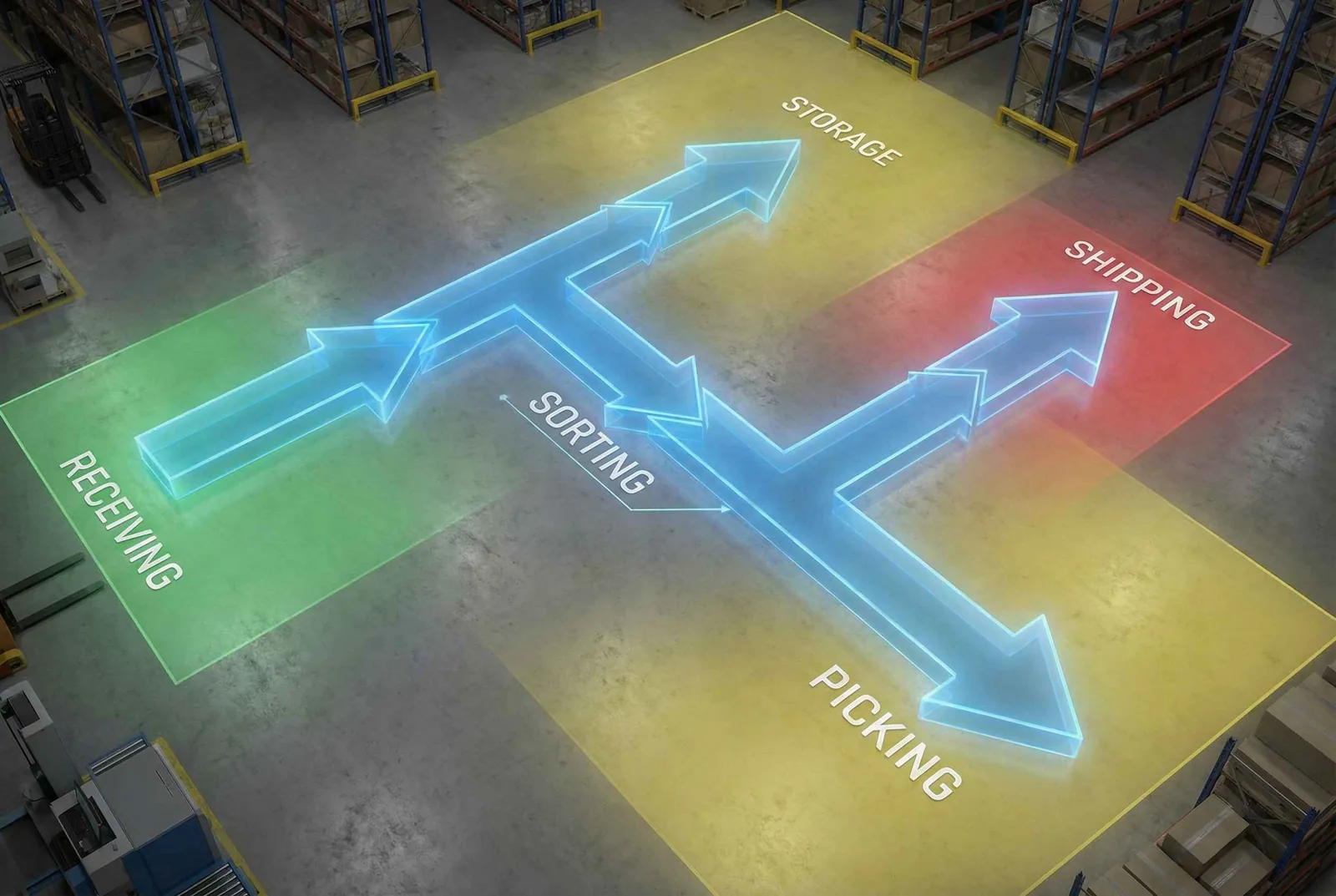
The preparation process consists of the following stages
- defining the points of receiving, storage, picking and dispatch
- mapping the main routes for loads between these points
- identifying the zones where mechanised solutions make sense
Only then can you move on to selecting specific equipment.
How conveying systems support warehouse logic
Moving loads between zones is the most resource-intensive part of warehouse operations. To keep a continuous flow between the main areas, a belt conveyor is used; it forms the basis of the warehouse's horizontal logistics. It transfers cartons and loads at a fixed speed without an operator.
At workstations and in manual picking zones, a powered roller conveyor works well: it synchronises with the pace of staff and prevents goods from piling up. For accumulation zones and short sections, a gravity roller conveyor is used, moving loads along an incline without using electricity.
How orders are distributed
When a warehouse handles a large number of shipments, manual distribution of loads becomes a source of delays and errors. This is where sorters are used, automatically directing goods to the right zones according to the dispatch logic. This keeps the pace of work steady even as volumes grow.
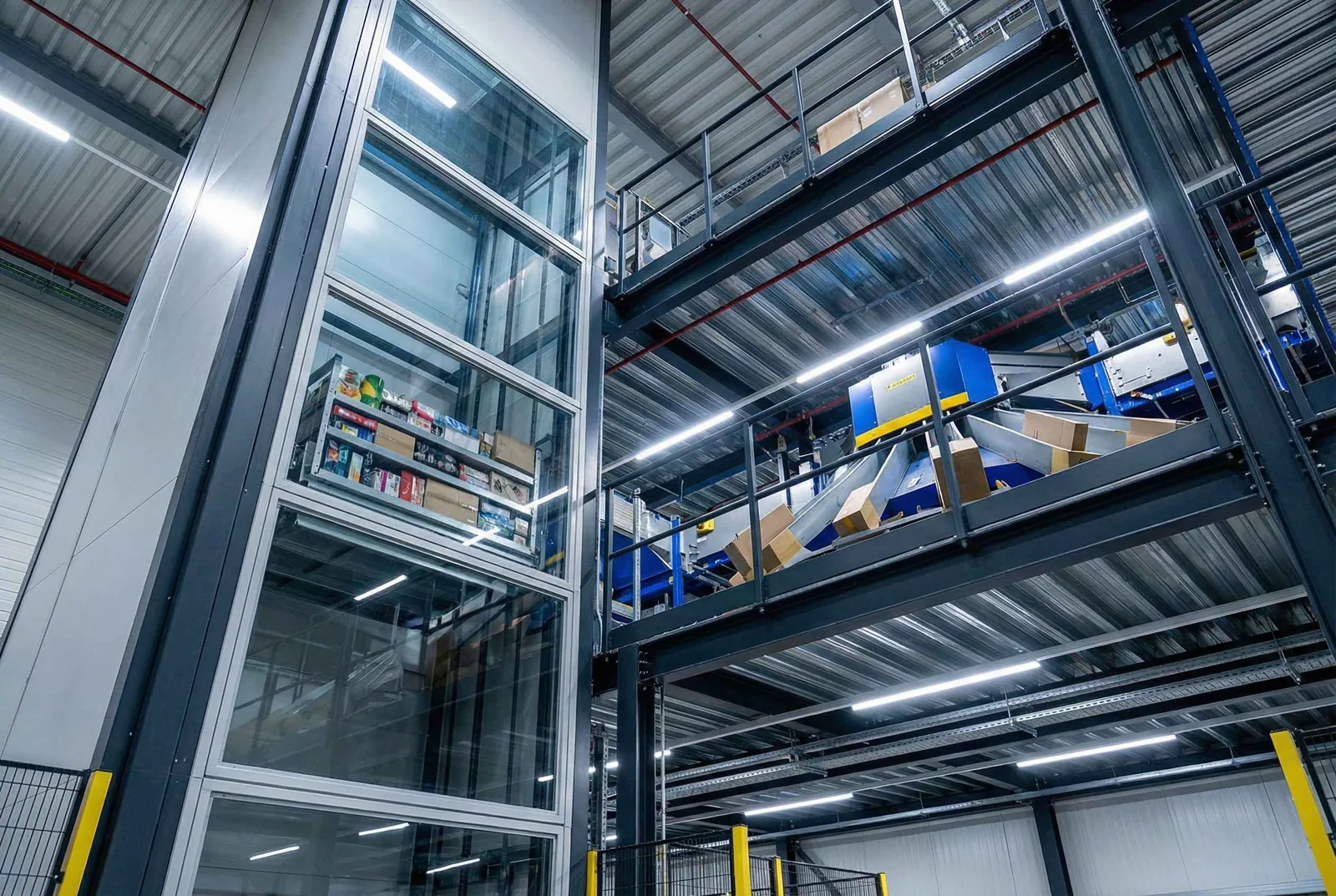
Vertical logistics in a multi-level warehouse
Warehouses with mezzanines or several levels need a dedicated solution for moving goods between floors. For this, warehouse lifts are used, providing safe and fast vertical transport without additional staff. They become the key element that allows the full height of the warehouse to be used.
What a properly automated warehouse looks like
In practice, an efficient warehouse works as a single managed system. Loads travel from receiving to dispatch without backtracking or crossing flows. Mechanised elements are integrated into the logistics so that they support, rather than disrupt, the overall rhythm of work.
Such a warehouse maintains stable productivity as volumes change, makes it easy to scale operations and delivers predictable order fulfilment times.
Warehouse automation is not a set of separate mechanisms. It is a system built on the right logic of load movement. When this principle is in place from the very beginning, the warehouse gains not just speed but resilient infrastructure that supports business growth and allows it to operate without losses even as the workload increases.
CategoryBelt ConveyorsTransporting boxes and individual items between warehouse zones.View category
 CategoryPowered Roller ConveyorsPowered transport of goods for processing lines.View category
 CategoryGravity Roller ConveyorsGoods move under their own weight, with no electricity.View category
 CategorySortersAutomatic sorting of goods by destination and order.View category
 CategoryWarehouse LiftsVertical transport of goods between floors and levels.View category
Show us your warehouse.
We’ll take a look, then show you how to improve it
Leave your contact details and briefly describe the task. A TOP Logistics Solutions specialist will contact you, clarify the details and propose the next step.